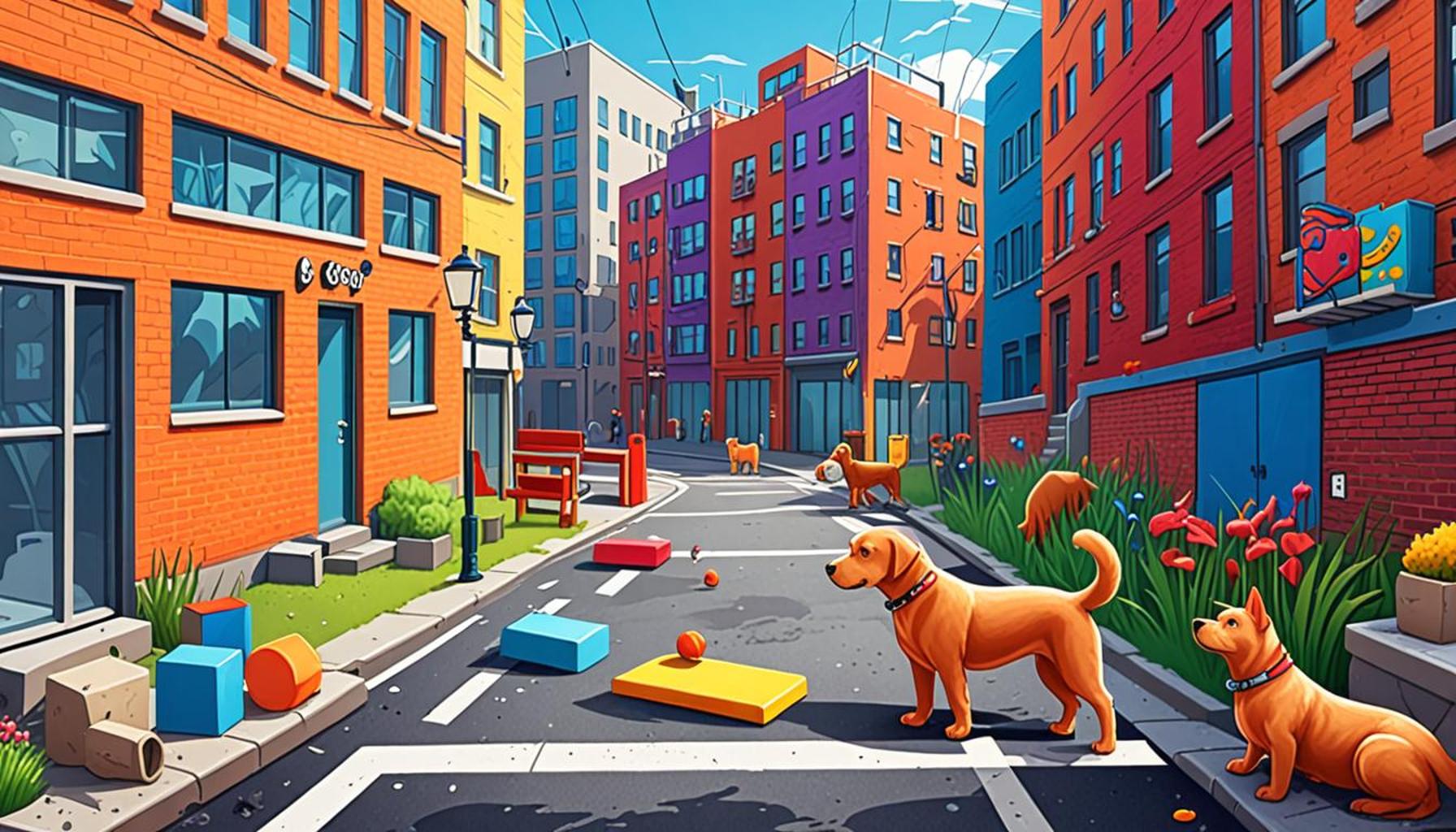
Pet Training in an Urban Environment: Tips to Overcome Challenges

Understanding Urban Pet Training Challenges
Living in an urban environment comes with its own set of circumstances, particularly when it comes to training our pets. The vibrancy of city life brings countless stimuli and experiences that can be overwhelming for both animals and their owners. For many pet owners in Nigeria, the sheer amount of sensory input can hinder training efforts. However, with the right approach, it is possible to turn these challenges into opportunities for growth and connection.
Common Challenges in Urban Pet Training
Every city dweller knows that the urban landscape is filled with distractions that can sidetrack even the most disciplined of pets. Distractions such as the noise of honking vehicles, bustling crowd sounds, and the myriad of strange scents can easily shift a pet’s focus away from training tasks. Consider this: during a simple walking exercise, a loud motorcycle or the smell of street food wafting by could lead your dog to abandon your commands in favor of curiosity.
Space limitations are also a significant consideration. In densely populated areas where apartments supersede homes, finding a designated area conducive to training becomes a challenge. Small balconies or overcrowded sidewalks do not provide the ideal environment for effective training. Moreover, reliable access to suitable training grounds can be a hurdle, especially when resources such as parks or training classes are not easily accessible. For instance, in Lagos, where parks are few and far between, pet owners must often get creative.
Effective Strategies for Urban Pet Training
To successfully navigate these urban hurdles, incorporating a few essential strategies can be transformative. First, keep training sessions short and engaging. Short training sessions of around 5 to 10 minutes can maximize your pet’s attention span, ensuring they absorb commands without becoming distracted or overwhelmed.
Secondly, using positive reinforcement is crucial. Offering treats, praise, or playtime directly after your pet demonstrates a desired behavior creates a strong association and encourages them to repeat that behavior. For example, rewarding your dog with a treat after calmly walking past a crowded market reinforces their focus amidst distractions.
Additionally, scouting suitable locations for training can make a world of difference. Identify serene pockets within bustling areas—perhaps a less-trafficked neighborhood street or a quiet corner of a local park during off-peak hours. This strategy allows your pet to practice commands in an environment that minimizes distractions and enhances learning.
In summary, urban living in Nigeria can indeed be chaotic, yet by adapting your training methods to suit the environment, you can fortify the bond between you and your pet. Embrace the uniqueness of your surroundings, employ thoughtful strategies, and transform your urban space into an enriching training ground. With these tips, you not only overcome urban obstacles but also create a lasting and fulfilling relationship with your furry friend.
RECOMMENDED: Check out this similar article
Strategies for Successful Urban Pet Training
Urban environments pose unique challenges for pet training, but with a strategic mindset, pet owners can turn these obstacles into meaningful learning experiences. Here are several effective methods to ensure successful training in the bustling city landscape:
Short and Engaging Sessions
One of the first rules of urban pet training is to keep training sessions short and engaging. The distractions of city life can easily lead to a pet losing focus. Aiming for sessions that last only 5 to 10 minutes can help your pet remain attentive and eager to learn. For instance, if you live in a busy area of Abuja, the noise and movement can quickly overrun a lengthy session, resulting in little progress. By breaking longer lessons into concise bursts, you can make the most of your pet’s attention span and adapt to their immediate environment.
Positive Reinforcement Methods
Utilizing positive reinforcement is key to fostering a successful training environment. This involves rewarding your pet with treats, praise, or playtime following the accomplishment of a command. In an urban setting, where distractions are abundant, this technique becomes even more critical. For example, if you manage to teach your dog to sit quietly while passing a crowded bus stop, rewarding this behavior not only reinforces their learning but also deepens their obedience amidst chaos.
Creative Outdoor Training Locations
Finding the right space for training is paramount in a city where ideal settings may be few and far between. Consider the following tips when scouting locations:
- Identify Off-Peak Times: Train early in the morning or come back later in the evening when fewer people occupy recreational areas.
- Choose Quiet Streets: Look for residential blocks that are less busy than main roads; these can provide a less distracting atmosphere for practice.
- Explore Local Parks: Although parks may be limited in cities like Lagos, identifying quieter corners can present excellent training vistas.
- Utilize Indoor Spaces: If outside chaos is too consuming, consider indoor spaces such as community centers or even parking garages with low foot traffic.
Incorporating these strategies into your training routine will not only mitigate challenges presented by urban life but will also enhance your relationship with your pet. The essence of urban pet training lies in adaptability and creativity—the more you can align your training techniques with the demands of your surroundings, the more effective your training will be. So, embrace the hustle and bustle of city living, and continue nurturing a solid training foundation for your furry companion.
| Training Techniques | Environment Adaptation |
|---|---|
| Positive Reinforcement | Utilizing parks or green spaces for practice |
| Consistent Commands | Adjusting to noise and distractions in urban settings |
Training pets in an urban environment comes with its unique set of challenges, but also opportunities for developing resilient and adaptable animals. Using techniques like positive reinforcement encourages desired behaviors in pets amidst bustling city life. It’s crucial to reward your furry friends for staying calm during urban distractions, such as honking cars or bustling pedestrians.Moreover, adaptability is essential. Finding local parks or less crowded areas for training can significantly benefit the training process, ensuring both you and your pet have a comfortable space to practice. Furthermore, consistent commands become vital for effective communication, especially when various noises vie for your pet’s attention. Adapting your training methods to incorporate environmental elements can turn everyday challenges into fruitful learning experiences. Exploring these dynamics will surely enhance your pet’s training success in urban settings, making the journey rewarding for both of you.
SEE ALSO: Click here to read another article
Utilizing Technology and Community Resources
In the digital age, technology presents an array of tools that can greatly assist in overcoming training challenges in urban environments. From apps for tracking training progress to online communities offering tips, technology can be a game changer for pet owners.
Smart Training Apps
There are various smart training apps available that make the training process more interactive and enjoyable. These apps allow pet owners to create customized training plans, set reminders, log progress, and even track behavioral patterns. For instance, apps like Dog Training by PetSmart provide instructional videos and tutorials tailored to specific challenges often faced in busy cities like Lagos or Abuja. By utilizing digital resources, training can become more structured and less overwhelming, catering specifically to the rhythm of urban life.
Online Training Classes
Given the hustle and bustle of urban living, attending in-person training classes may not always be feasible. This is where online training classes come into play. There are numerous platforms offering virtual sessions with professional trainers who understand the distinct challenges of urban environments. These classes can cover crucial topics such as leash training in crowded areas, controlling distractions, or addressing specific behavioral issues common in city settings. This flexibility empowers pet owners to engage in effective training without the added stress of commuting through heavy traffic.
Local Community Support
Engaging with your local community can also provide a strong support system for urban pet training. Many cities in Nigeria boast thriving communities of pet owners, and connecting with them can unlock valuable resources, from group training sessions to dog-walking clubs. Participating in local events or forums, such as those organized in parks or community centers, can offer an environment where pets can socialize and learn together. This not only enriches your pet’s learning experience but also fosters connections with fellow pet owners who share similar challenges.
- Attend Workshops: Many animal welfare organizations in Nigeria offer workshops on effective training techniques tailored for urban dogs.
- Join Online Forums: Platforms like Facebook and WhatsApp groups can be invaluable for sharing experiences, solutions, and training tips with other pet owners facing similar situations.
- Volunteer Opportunities: Volunteering at local shelters can provide hands-on experience in handling pets in diverse environments, enhancing both your skills and confidence.
By leveraging these technology-driven resources and community connections, urban pet owners can turn the challenges of city living into opportunities for effective training. Embracing innovation and community support only enriches the pet training experience, enabling you and your furry friend to thrive amidst the urban hustle.
CHECK OUT: Click here to explore more
Conclusion: Embracing Urban Pet Training
Training pets in an urban environment comes with its unique set of challenges, but it also presents an incredible opportunity for growth and connection. As we have explored, urban living requires adaptability, creativity, and the utilization of available resources to ensure effective pet training. From smart training apps that help track progress and customize training sessions to online classes that fit into busy schedules, leveraging technology has never been more crucial. By utilizing these innovative solutions, pet owners can seamlessly integrate training into their routine, alleviating the stress commonly associated with living in a bustling city.
Furthermore, tapping into community support harnesses the collective experience and wisdom of local pet owners. Establishing connections through workshops, online forums, and group training activities can transform training into a shared journey, making it both enjoyable and rewarding. The relationships built within these communities often extend beyond training sessions, creating lifelong friendships that enrich the lives of both pets and their owners.
In conclusion, the path to successfully training a pet in a dynamic urban setting may be paved with obstacles, but it is also filled with invaluable resources and support networks waiting to be discovered. By embracing technology and engaging with the community, you can not only overcome the challenges of urban pet training but also foster a deeper bond with your furry companion. The journey may have its ups and downs, yet the results in terms of a well-trained, happy pet are worth every effort invested. The urban landscape can be navigated as a space for growth, not just for your pet, but for you as well—opening doors to a world of exciting possibilities in pet ownership.

Linda Carter
Linda Carter is a writer and pet care expert specializing in pet health, grooming, and wellness. With extensive experience helping pet owners create safe, loving, and enriching environments for their animals, Linda shares her knowledge on our platform. Her goal is to empower readers with practical advice and strategies to ensure their pets thrive and lead joyful, healthy lives.