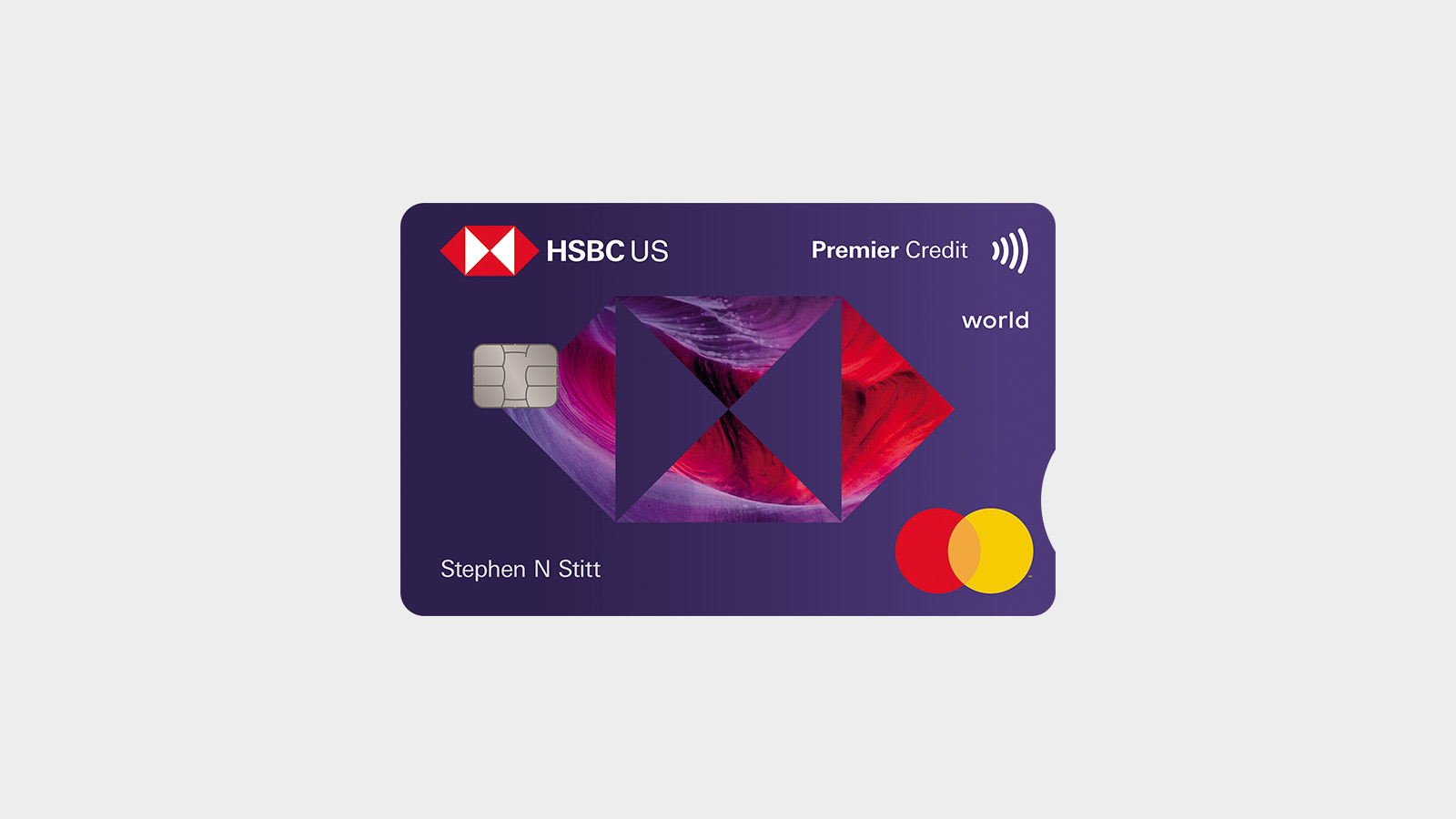
How to Choose the Ideal Credit Card for Your Financial Needs

The Importance of Selecting the Right Credit Card
Choosing the right credit card can significantly impact your financial health. With a plethora of options available, understanding which card suits your needs is crucial for maximizing benefits and minimizing costs. In the competitive landscape of credit cards, it is essential to explore the features and offerings of different cards before making a commitment.
Benefits of a Well-Chosen Credit Card
A well-selected credit card provides various perks designed to cater to the financial needs of diverse consumers. Among these advantages are:
- Rewards programs: Many credit cards offer rewards in the form of cash back, points, or travel rewards. For instance, a cash-back card might give you 1.5% back on all purchases, while a travel rewards card could provide points redeemable for airline tickets or hotel stays. The key to maximizing these rewards lies in choosing a card aligned with your spending habits, for example, selecting a travel card if you frequently fly for business or pleasure.
- Interest rates: Understanding the varying Annual Percentage Rates (APRs) that credit cards offer is vital. A lower interest rate can save you money in the long run, especially if you occasionally carry a balance. For example, a credit card with a 15% APR will accrue much less interest on outstanding balances compared to one with a 25% APR, potentially resulting in significant savings.
- Fees: It’s crucial to be aware of potential fees associated with credit cards, including annual fees, late payment fees, and foreign transaction fees. For example, some premium cards may charge an annual fee in exchange for superior rewards, while others may have no fees but offer lower reward rates. Being informed about these costs can prevent unwanted surprises and allow you to make a choice that aligns with your financial strategy.
Key Factors to Consider When Selecting a Credit Card
To make an informed decision, consider the following factors:
- Your spending habits: This involves assessing where you spend most frequently. If you regularly shop at grocery stores or fill up your gas tank, a card offering higher rewards in those categories may be more beneficial.
- Credit score: Your credit score affects not just your credit card eligibility but also the types of benefits you’ll receive. A higher credit score may qualify you for cards with lower interest rates and more favorable terms.
- Promotional offers: Many credit card companies present enticing introductory bonuses for new customers, such as a cash bonus after spending a certain amount within the first three months or a zero percent APR for an initial period. Evaluating these offers can lead to substantial savings or rewards early in your card membership.
Conclusion
Understanding these elements will help you navigate the complex credit card landscape. With the right information, you can find a card that not only meets your financial needs but also enhances your overall financial strategy. By recognizing the significance of rewards, interest rates, fees, and your unique financial situation, you will be better equipped to select a credit card that serves you well in both the short and long term.
DISCOVER: Click here to learn how financial planning can pave your path to early retirement
Understanding Different Types of Credit Cards
When selecting the ideal credit card, it is vital to familiarize yourself with the various types available on the market. Different cards cater to specific financial habits and needs, and understanding these categories can guide you towards making an informed decision.
Types of Credit Cards
Here are some common types of credit cards to consider:
- Cash Back Credit Cards: These cards offer a percentage of your purchases back in cash. Typically, they provide a flat rate on all purchases or higher rates in specific categories such as groceries, gas, or dining. For instance, a card might offer 1.5% cash back on all spending but provide 5% cash back on select categories. This card is ideal for consumers who prefer straightforward rewards and intend to use it consistently.
- Travel Reward Credit Cards: If you travel frequently, these cards can reward you with airline miles, hotel points, or travel-related perks, such as free checked bags and priority boarding. Many travel credit cards also partner with airlines or hotel chains, allowing you to earn additional rewards when using them. However, it is essential to evaluate whether the annual fees outweigh the potential benefits relating to your travel habits.
- Balance Transfer Credit Cards: These cards are designed for individuals looking to manage existing credit card debt. They offer promotional low or zero percent APR rates for balance transfers, allowing customers to pay off debt without accruing interest for a specified period. Carefully consider any balance transfer fees and the regular APR upon the promotional period’s expiration.
- Secured Credit Cards: Ideal for those new to credit or those looking to rebuild their credit scores, secured cards require a cash deposit that serves as collateral. Although these cards may not come with extensive rewards, they can aid in improving your credit profile if used responsibly.
- Low-Interest Credit Cards: If you anticipate carrying a balance, a low-interest credit card might be a prudent choice. These cards typically offer lower APRs, making them suitable for consumers who may occasionally need to finance purchases over time. It’s advantageous to assess how often you plan to carry a balance to determine if this option aligns with your financial strategy.
Assessing Your Financial Goals
Before finalizing your choice, it is essential to reflect on your financial goals. Ask yourself the following questions:
- What are my primary spending categories (e.g., groceries, travel, dining)?
- Am I comfortable paying an annual fee for enhanced rewards?
- Do I plan to carry a balance from time to time, and if so, how much interest am I willing to incur?
- What benefits or rewards do I value the most—cash back, travel perks, or low-interest options?
By answering these questions, you can narrow down your options to find a credit card that aligns with your long-term financial objectives and everyday spending habits. A tailored approach not only maximizes your decision but also enhances your overall financial well-being.
DISCOVER MORE: Click here for essential insights
Evaluating Fees and Interest Rates
After identifying the different types of credit cards suited to your financial needs, the next critical step is to evaluate the associated fees and interest rates. Understanding these charges can significantly impact your overall credit card experience and help you avoid unforeseen expenses that could undermine your financial goals.
Annual Fees
Many credit cards, particularly those that offer substantial rewards or benefits, come with an annual fee. While an annual fee is not inherently negative, you must ask whether the benefits you receive justify the cost. For example, if a travel rewards card charges a $95 annual fee but provides complimentary airline lounge access valued at over $200, it might be a worthwhile investment for frequent travelers. In contrast, if you anticipate minimal use, a no-annual-fee card might better suit your needs. Always assess the value of the rewards compared to the fee to ensure you are making a fiscally responsible choice.
Interest Rates
Another fundamental aspect of credit card selection is understanding the Annual Percentage Rate (APR). This rate signifies the interest you will incur if you carry a balance on your card. A card with a low introductory APR can be beneficial for those planning to finance greater purchases over time. However, caution is necessary, as many credit cards revert to a higher variable APR after the promotional period ends. Be sure to read the fine print regarding the standard rates post-introductory offers and compare them among different credit cards to secure the best possible deal.
Understanding Additional Fees
Beyond annual fees and APR, different credit cards may impose other fees, such as foreign transaction fees, late payment charges, and balance transfer fees. A foreign transaction fee, typically around 1% to 3% of the purchase amount, can be significant for travelers. If you’re planning international trips, opting for a card without foreign transaction fees could save you money. Additionally, being aware of late fees, which can range from $25 to $40, can help you manage your payments more carefully.
Comparative Analysis of Card Features
Once you have gathered information on the fees and interest rates, conduct a comparative analysis of the different cards. Consider developing a scorecard system where you rate the cards based on criteria such as:
- Rewards Program Flexibility: Evaluate how easily you can redeem your rewards and determine if they suit your lifestyle.
- Introductory Offers: Compare the length and benefits of sign-up bonuses—some cards offer lucrative rewards for reaching a spending threshold within the initial months.
- Customer Service and Support: Research the card issuer’s reputation regarding customer service. Reliable support can be invaluable should issues arise.
- Additional Benefits: Consider any supplemental benefits like purchase protection, extended warranties, travel insurance, and concierge services that come with the card.
By methodically examining all elements, including fees, interest rates, and features, you create a well-rounded view of each card option. This careful assessment will empower you to select a credit card that not only aligns with your financial goals but also enriches your spending experience.
LEARN MORE: Click here to get started with your application
Conclusion
Choosing the ideal credit card to fit your financial needs requires a comprehensive understanding of various factors. A discerning evaluation based on your spending habits, lifestyle preferences, and long-term financial goals is essential. By thoroughly analyzing annual fees, interest rates, and additional charges, you can avoid unexpected costs and enhance your overall credit card experience.
Furthermore, it is vital to assess the rewards programs offered and determine if they align with your objectives, whether that be for travel, cash back, or other perks. The comparative analysis of each card’s features, including customer service quality and supplemental benefits, can significantly influence your satisfaction with the card. For example, knowing whether a card offers travel insurance or purchase protection could provide added peace of mind while making extravagant purchases.
Ultimately, the process of selecting the right credit card is not merely about finding rewards or low-interest rates; it involves crafting a strategy that supports your financial aspirations and encourages responsible usage. Consider revisiting your credit card choices periodically to ensure they still meet your needs as your financial situation evolves. Armed with this knowledge and a structured approach, you can confidently navigate the credit card landscape and make a decision that enhances your financial well-being.

Linda Carter
Linda Carter is a writer and financial expert specializing in personal finance and financial planning. With extensive experience helping individuals achieve financial stability and make informed decisions, Linda shares her knowledge on our platform. Her goal is to empower readers with practical advice and strategies for financial success.